
How I sold Bitzuma in five months
May to October 2025, from idea to signature. A micro exit, and the real reason we closed it while it was still working.
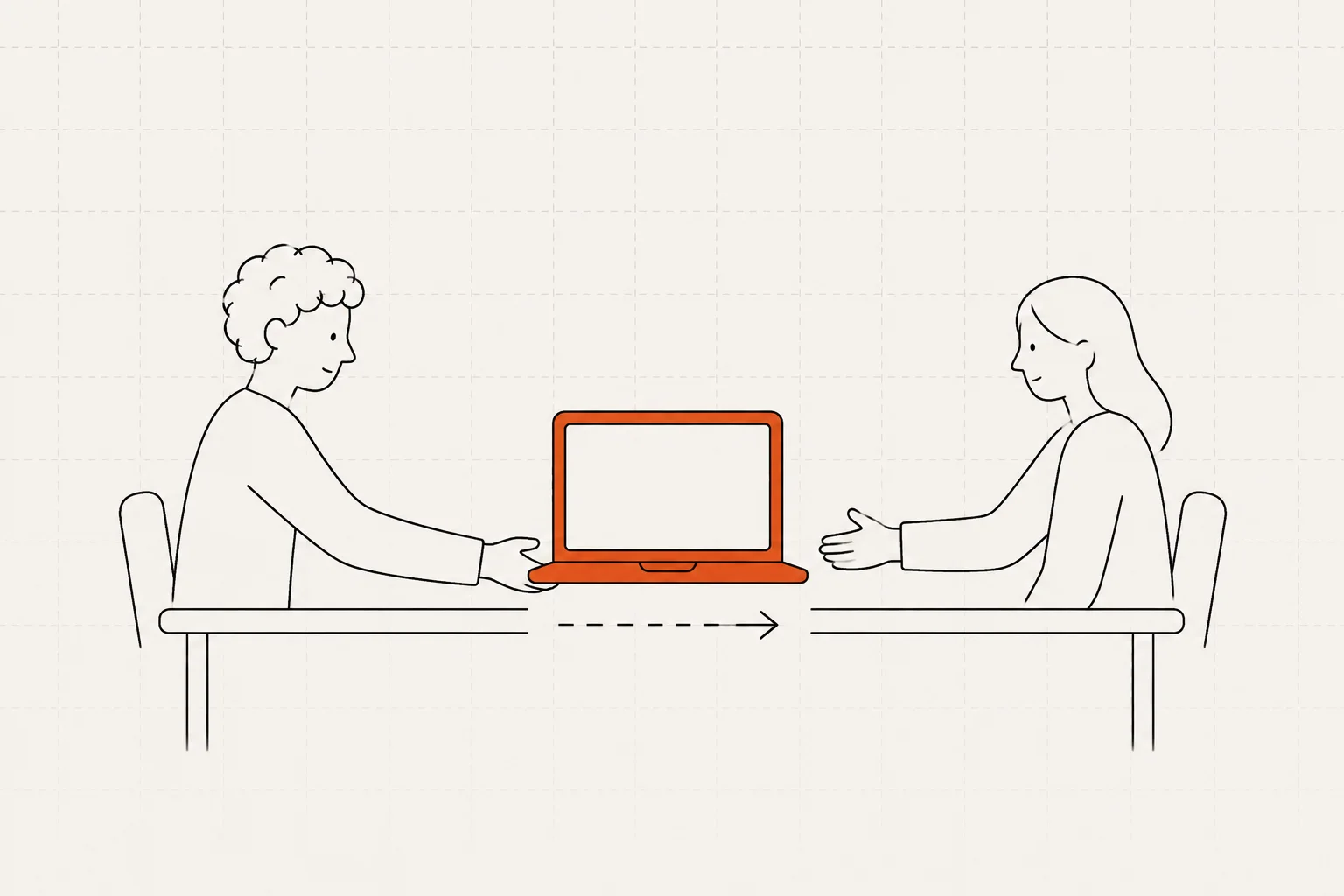
Bitzuma started in May 2025 and was sold in October. A crypto news, analysis and interviews outlet, built by three of us and sold in five months.
Micro exit, and I'll say it plainly: the figure is not the point of this story. The point is that the previous two years had produced nothing anyone wanted to buy, and five months did. And that we sold it while it was still growing, for a reason that has nothing to do with the numbers.
Why it went so fast
The honest part first, the one usually left out of stories like this: we did not start from zero.
We had noticed that web3 magazines were profitable businesses. Instead of registering a new domain and waiting a year for Google to notice us, we bought a domain that already had a good domain rating. It's a legitimate shortcut and it costs money, but it has to be said, because without that premise the five months look like an execution miracle and they aren't.
The rest of the speed came from 21BJ, in the most literal sense. Everything that had taken months on the first project was immediate on Bitzuma:
- Domain, email, brand and graphics setup, which the first time around had been a building site
- The contacts in crypto, which we already had and didn't need to build
- Operational decisions, made in hours instead of in ninety minute calls
It was just the three of us, with no team to coordinate. Two years of paid for mistakes turned into five months of clean execution, and it's the most concrete evidence I have that the previous failure did return something.
Finished projects only. Time spent did not predict the outcome.
The skill I took with me
On Bitzuma I learned SEO. Not at the level of an article read one evening: domain rating, keyword research, link building, digital PR, how to structure a piece so Google finds it, how much a blog actually earns and through which channels.
It's the thing I use everywhere now. On Startupage, on Calally, on this site you're reading. And I'm extending it to optimising for AI engines, which is the 2026 version of the same problem: getting found by people who are searching, now that they've changed the tool they search with.
If I had to put a value on those five months, the sale price would be the least important line.
What buyers look at, in order
Negotiating the sale was the most instructive part. Someone buying an online project isn't buying your labour, they're buying a flow that continues without you. In order of how much it weighed in the conversations:
- Where the traffic comes from, and how concentrated it is. A project living 90% on one channel is worth as much as the next change to that channel's algorithm.
- How recurring the revenue is. Not the amount: the predictability.
- How many hours a week it takes to run. If the answer is "it depends", it's worth less.
- What breaks when you leave. If the project is your face, it isn't sellable: it's a job you're trying to hand to someone else.
- The code. Last, and for a publication almost not at all.
The first four are built from day one or they aren't built at all. It's also why 21BJ wasn't sellable: it wasn't a project to run, it was a project to redo.
In its 2025 review of online business M&A, Flippa writes that verified profitability, operational predictability and defensible positioning have replaced narrative and momentum as the main drivers of valuation, and that professional buyers increasingly ask for institutional grade financial and operational documentation. Keeping the numbers in order from day one isn't bureaucracy, it's the difference between negotiating and justifying yourself.
Why we closed it while it was working
And here comes the part that's hard to write.
Bitzuma didn't end because it wasn't working. The revenue was there and it wasn't bad, the traffic was growing, and with more time and some investment it could have become a profitable publication. But SEO takes time, and the revenue wasn't enough to support three people.
That, though, is the accounting reason, not the real one.
The real reason is that something had broken earlier. Bitzuma had been born out of necessity, not desire: we hadn't swallowed the shutdown of 21BJ and Sp3llbound after all that sacrifice, and we felt we had to do something. After two and a half years spent together every day on the same thing, the flame had gone out.
After a failure the natural reaction is to start again immediately so you aren't standing still. But the thing that starts from necessity, rather than desire, rarely holds. Not because it's a worse project: because you aren't in the condition to take it where it needs to go.
Selling was also the clean way to dissolve the group. The three of us went different ways: one left tech and became a sports influencer, which was his real passion; one moved to the other side of the table, into venture capital; I stayed to build, but alone.
It was the entrepreneurial goodbye. We're still friends and we still see each other, which to me says we closed it at the right moment.
Frequently asked questions
How much did you sell Bitzuma for?
The terms are not public. It was a micro exit, and I say that openly: the satisfaction wasn't the figure, it was seeing how the process works from the inside, from finding the buyer to negotiating the price to closing.
Are five months a normal timeline for an exit?
No, that's fast. But we didn't start from a new domain, and that changes the comparison a lot. With a project genuinely built from zero the timeline is a different order of magnitude.
Why did you sell a project that was growing?
Because it had been born out of necessity rather than desire, and after two and a half years together on the same thing we no longer believed in it. The revenue was there and the traffic was growing, but none of the three of us still wanted to take it where it needed to go. Carrying on like that would have been worse for the project and for us.
Would you recommend building with an exit in mind?
No, but I would recommend building the four things a buyer looks at, because they're the same things that make a project sustainable while you keep it. Unconcentrated traffic, predictable revenue, few hours to run it and nothing that depends only on you. If you never sell, you still have a better project.
Guglielmo Vaccaro
Startup founder and solopreneur. I build products from zero, alone and with no investors. I share the process as it happens, mistakes included.
About me


